
Most drivers think a drive-through car wash is just about looking clean. That’s a costly misconception. The real drive-through car care benefits go well beyond appearance: you get paint protection, time savings, environmental responsibility, and long-term value preservation, all without stepping out of your car. Modern systems have changed dramatically, and if you’re still treating a quick wash as an optional convenience rather than a maintenance tool, you’re leaving real money and protection on the table. This article covers what today’s drive-through care actually delivers.
Table of Contents
- Key takeaways
- Drive-through car care benefits: time, convenience, and daily fit
- Technology inside modern drive-through washes
- Long-term vehicle protection and maintenance
- Environmental impact of professional washes
- Membership plans and the value of consistency
- My honest take on where drive-through car care stands today
- Keep your full vehicle care covered
- FAQ
Key takeaways
| Point | Details |
|---|---|
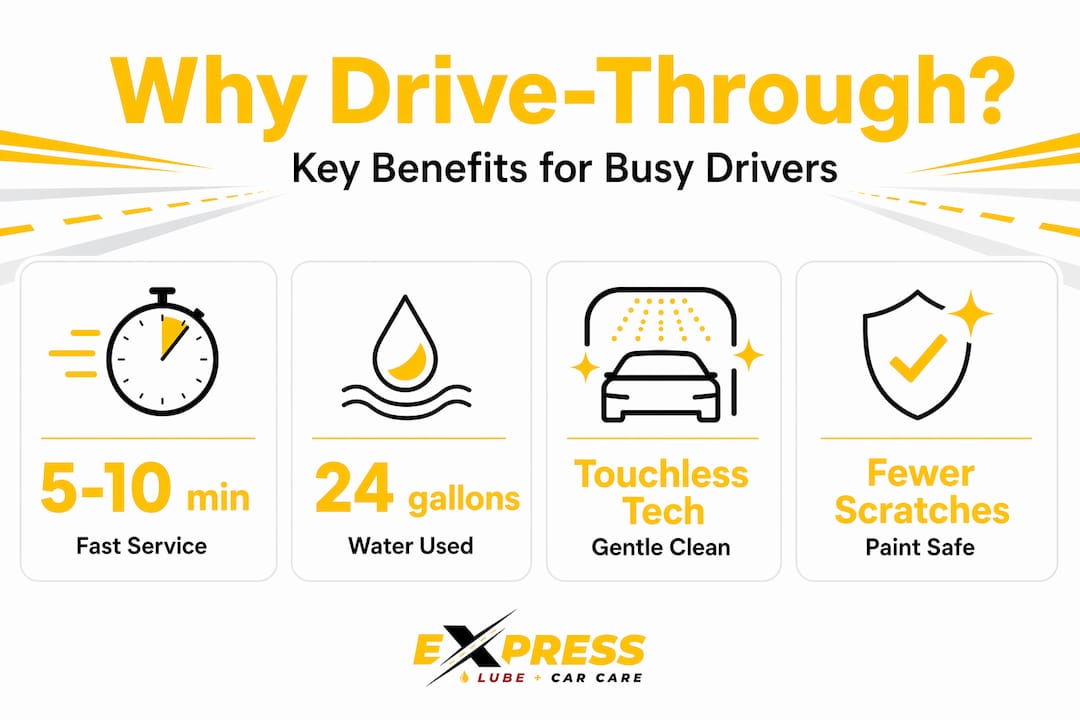
| Significant time savings | Drive-through washes take 5 to 10 minutes versus 30 to 60 minutes at home, fitting easily into any schedule. |
| Tech reduces paint damage | Touchless systems with precision sensors lower the risk of micro-scratches compared to traditional brush methods. |
| Water conservation matters | Professional washes use roughly 24 gallons per vehicle versus 100 or more gallons for a typical home wash. |
| Long-term value protection | Regular washing with protective coatings helps prevent paint oxidation and supports a higher resale price. |
| Memberships improve consistency | Unlimited wash plans with app integration make it easier to maintain your vehicle on a regular schedule. |
Drive-through car care benefits: time, convenience, and daily fit
The single most underrated advantage is how little time you actually spend. Automated wash cycles finish in 5 to 10 minutes, compared to the 30 to 60 minutes a home wash typically takes. That’s not a small difference. For most people with full schedules, that gap is the reason professional care happens consistently while home washing gets skipped.
Beyond speed, the operational setup is built around your convenience. There are no appointments to book, no time slots to reserve, and most locations run extended hours that stretch into the evening. You stay in your vehicle the entire time, which matters when you have kids in the back seat, groceries loaded up, or you’re dressed for work. The friction that normally stops people from taking care of their cars is simply gone.
Car wash convenience also extends to how these facilities handle peak traffic. Modern systems process vehicles in a continuous tunnel format, so even on busy weekends, the line moves. Compare that to scheduling a detailing appointment or hauling out the hose and soap at home, and the math strongly favors the drive-through.
Here’s how drive-through car care fits naturally into a real day:
- Stop for a wash on the way to work without rearranging your morning
- Pull through after a grocery run while errands are still fresh
- Use extended evening hours after work without rushing
- Take care of your vehicle during a lunch break without leaving the area
Pro Tip: Look for facilities with real-time queue indicators or apps that show wait times before you arrive. Getting there during low-traffic windows turns a 10-minute wash into a genuinely zero-effort routine.
For drivers who want a broader look at express auto service advantages, the pattern is consistent: removing friction from maintenance leads to more consistent care.
Technology inside modern drive-through washes
The equipment running today’s drive-through systems is genuinely different from what existed a decade ago. Understanding what the technology does helps you choose the right facility and know what you’re paying for.
Touchless systems and adaptive sensors
Modern touchless systems use precision sensors that map the contours of your specific vehicle. Adaptive wash parameters adjust dynamically based on vehicle size and shape, which means the system optimizes coverage without over-applying chemicals or missing sections. This isn’t a one-size approach. The system reads your car and responds accordingly.
Touchless cleaning also significantly lowers the risk of micro-scratches that brush systems can cause, especially on vehicles with newer paint finishes or ceramic coatings. If protecting your paint matters to you, this distinction is worth paying attention to.
Contactless entry and app integration
Getting into the wash lane has also changed. Many facilities now use RFID tags or app-based barcodes for completely contactless entry. You don’t roll down your window or hand over a ticket. The system identifies your vehicle or membership and opens the lane automatically. It’s a small detail that genuinely improves the experience, particularly in cold or wet weather.
Here’s a quick look at how traditional and modern drive-through systems compare:
| Feature | Traditional system | Modern drive-through |
|---|---|---|
| Entry method | Manual ticket or cash | RFID tag or app barcode |
| Wash adjustment | Fixed settings | Adaptive, sensor-based |
| Paint contact | Brush or cloth contact | Touchless with high-pressure water |
| Chemical use | Standard fixed volume | Optimized per vehicle |
| Member management | Paper punch cards | Digital app with usage history |
Pro Tip: If you’re running a ceramic coating on your paint, confirm the facility uses ceramic-safe detergents before you subscribe to a plan. Some standard chemical formulas can gradually degrade coating bonds over repeated washes.
Real-time equipment monitoring also allows operators to track chemical levels, equipment performance, and service quality without constant physical checks. When a facility invests in that kind of infrastructure, you get a more consistent wash every time you visit.
Long-term vehicle protection and maintenance
This is where most drivers underestimate drive-through car care. A regular wash isn’t just cosmetic. It’s one of the more practical things you can do to protect the money you have invested in your vehicle.
What damage actually accumulates
Road salt is one of the most corrosive threats to your vehicle’s undercarriage and paint. It doesn’t just sit on the surface. It works into seams, wheel wells, and any area with a compromised finish. Bird droppings contain uric acid that can etch clear coat within hours on a hot day. Tree sap hardens fast and becomes difficult to remove without abrasives. Left unchecked, all of these cause damage that is expensive to repair and impossible to fully reverse.
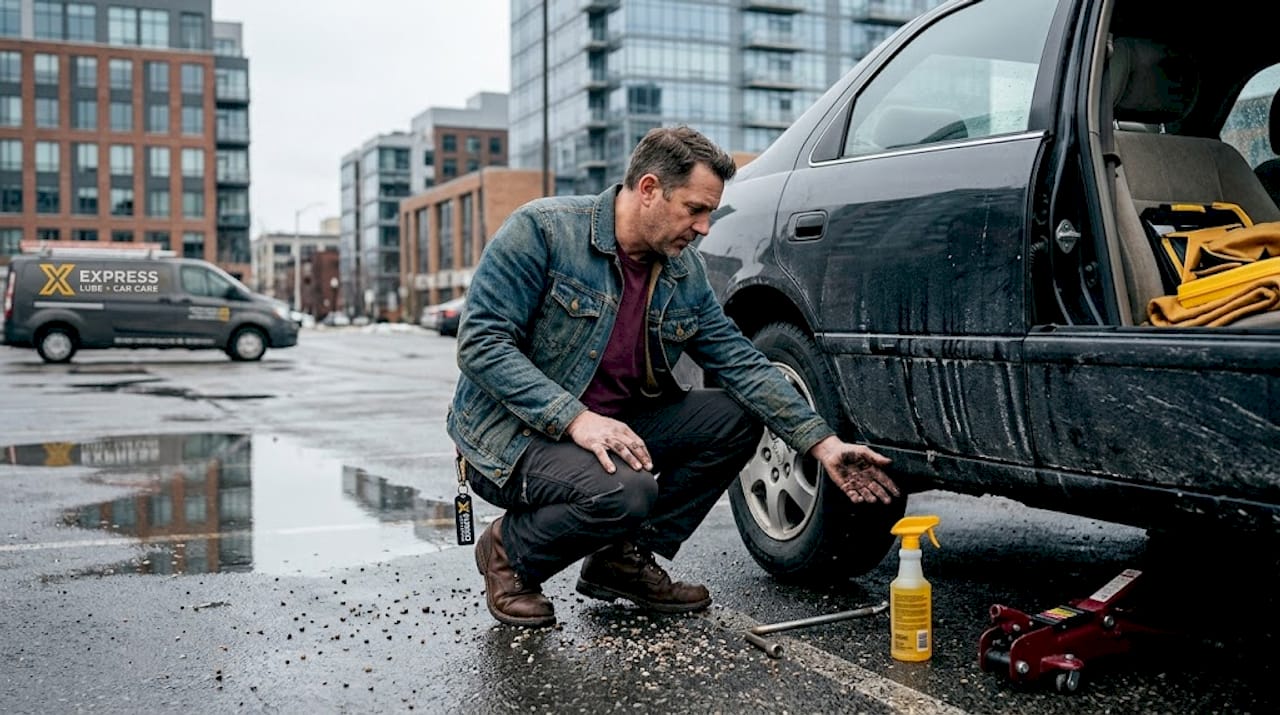
Professional washing prevents the buildup of these contaminants before they reach a damaging threshold. That alone justifies a regular schedule.
Paint protection and resale value
Protective coatings applied during or after a professional wash shield your paint from UV rays, oxidation, and staining. Vehicles that skip regular care and sun protection can lose roughly 10% of their value over five years due to sun damage and maintenance neglect alone. That’s a significant number when you’re talking about a vehicle worth $25,000 or more.
Regular washing, particularly with wax or sealant add-ons, helps maintain that value. When it’s time to trade in or sell privately, a vehicle with consistent, documented care commands a better price.
Here’s a summary of what consistent professional car care protects against:
- UV ray damage and paint oxidation that dulls finish over time
- Road salt corrosion on undercarriage, wheel wells, and lower body panels
- Bird droppings and bug splatter that etch clear coat if left to sit
- Brake dust buildup on wheels that leads to pitting and surface damage
- Tree sap and environmental fallout that bond to paint and require abrasive removal
Pairing your wash routine with a solid car maintenance schedule creates a full picture of vehicle preservation, not just surface care.
Environmental impact of professional washes
If you’ve ever washed your car in the driveway, you’ve likely used more water than you realized. A garden hose running for 30 minutes delivers well over 100 gallons. Professional car washes use approximately 24 gallons per vehicle, representing water savings of close to 76% per wash. Over a year of regular washing, that adds up to a substantial reduction.
Modern facilities also handle wastewater responsibly in ways a home wash cannot match:
- Water recycling systems capture and filter rinse water for reuse in subsequent wash cycles
- Wastewater is directed to treatment systems rather than running into storm drains
- Biodegradable, phosphorus-free detergents minimize environmental load at the drain
- Energy-efficient drying systems reduce electricity consumption compared to older blower equipment
Home washing, by contrast, sends soap, road chemicals, and contaminants directly into storm drains, which flow to local waterways without treatment. If environmental responsibility matters to your decision-making, the professional drive-through is the clearer choice.
Membership plans and the value of consistency
One of the practical shifts in the car wash industry has been the growth of membership models. Unlimited wash memberships charge a fixed monthly fee for as many washes as you want. For regular drivers, this changes the math completely. Instead of weighing the cost each time, you simply go when you need to.
Membership programs tend to include features that make the experience even smoother:
- Automatic license plate recognition so you never need a card or phone at the entrance
- App-based account management for billing, plan changes, and visit history
- Promotional pricing and upgrade offers tied to your usage patterns
- Integration with fuel station or convenience store loyalty programs at combined locations
The behavioral shift is real. When there’s no per-visit cost to think about, drivers wash more often, which directly translates to better paint protection and less accumulated damage. Digital loyalty program integration is making this habit even stickier by connecting car care to rewards people are already using.
There’s also something worth noting about the psychology here. A membership creates a standing commitment to your vehicle. That mental shift from “I’ll get around to it” to “this is already paid for” is surprisingly effective at building better maintenance habits.
My honest take on where drive-through car care stands today
I’ve watched this category evolve from something drivers treated as a minor convenience to a genuine maintenance tool that deserves consistent attention. And in my experience, the biggest thing holding drivers back isn’t cost or access. It’s the lingering belief that a drive-through wash is just surface level.
That belief is outdated. The technology now in place, from adaptive sensor systems to real-time service monitoring to contactless entry, produces consistent, safe results that protect your vehicle rather than just clean it. What I’ve learned watching drivers care for their vehicles over the years is that the routine matters more than any single service. A wash every two weeks does far more for your paint than one premium detailing every six months.
My practical advice: choose a facility that invests in equipment upkeep and transparency. Successful operations back their quality with active management, clear pricing, and maintained equipment. If a facility feels neglected, it probably is, and that reflects in the wash quality. Pick one with a track record, get the membership, and make it part of your regular routine.
The efficiency of drive-in car care is no longer just about speed. It’s about protecting an asset you depend on every day.
— Express Lube & Car Care
Keep your full vehicle care covered
A clean car is only one part of the picture. At Express Lube & Car Care, we handle the maintenance that keeps your vehicle running as reliably as it looks. Our ASE-certified technicians offer no-appointment-required oil changes with rapid turnaround, so you spend less time waiting and more time on the road. If a warning light has come on or your engine hasn’t felt right, our engine diagnostics and repair services give you a clear answer fast, without the runaround. Transparent pricing, RepairPal certification, and a genuine commitment to getting it right the first time are what set us apart for drivers across the DFW area. Come see us when you’re ready.
FAQ
How long does a drive-through car wash take?
Most automated drive-through wash cycles take between 5 and 10 minutes, saving 25 to 50 minutes compared to washing at home. This makes them practical even on tight schedules.
Do drive-through washes damage your car’s paint?
Modern touchless systems with precision sensors significantly reduce the risk of micro-scratches compared to brush-based systems. Choosing a facility with touchless technology and ceramic-safe detergents gives your paint the best protection.
How much water does a professional car wash use?
Professional car washes use approximately 24 gallons per vehicle, compared to over 100 gallons for a typical home wash. Most facilities also recycle and treat their water, making them the more environmentally responsible option.
Are car wash memberships worth it?
For drivers who wash regularly, unlimited membership plans offer clear cost savings and the added benefit of app integration and contactless entry. More frequent washing also means better ongoing paint protection, which supports your vehicle’s resale value.
Can regular car washing actually protect resale value?
Yes. Regular washing with protective coatings helps prevent paint oxidation and sun damage, which can reduce a vehicle’s value by around 10% over five years when neglected. Consistent care is one of the most cost-effective ways to preserve what your vehicle is worth.